Host With a Backbone: The Real Way to Throw a Great Party Without Sacrificing Your Sanity
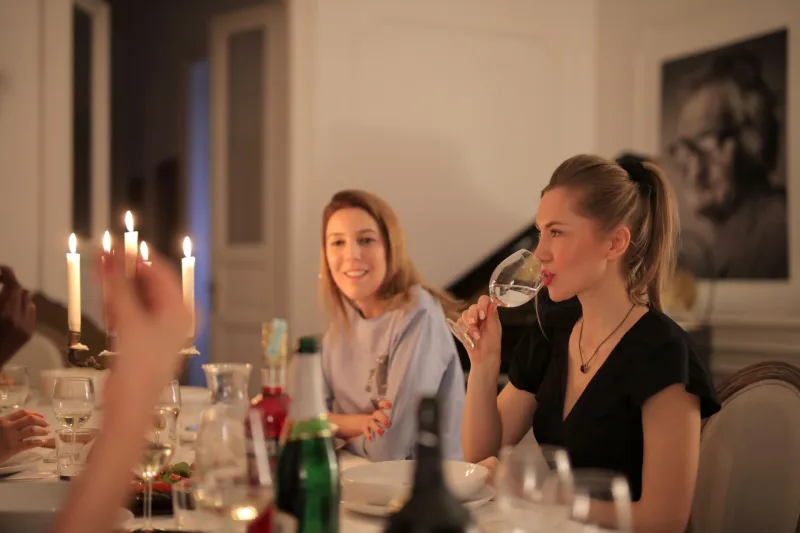
Somewhere along the way, hosting a party became synonymous with suffering. You know the drill — you spend three days prepping, you're still in the kitchen when guests arrive, you smile through someone's last-minute dietary restriction you're hearing about for the first time, and by the time everyone leaves, you're too exhausted to enjoy the fact that it actually went well. Sound familiar? Yeah. It doesn't have to be this way.
Melissa Gorga has hosted more gatherings than most people will attend in a lifetime — from intimate family dinners to full-scale celebrations filmed in front of a camera crew — and what she's figured out isn't a secret formula for the perfect party. It's something more useful than that: a philosophy. And the core of it is this — the best hostess in the room is the one who's actually present, not the one who's running herself into the ground trying to be everything to everyone.
Let's talk about what that actually looks like in practice.
Perfection Is the Enemy of a Good Time
Here's an uncomfortable truth: your guests are not cataloging every detail the way you think they are. They're not noticing that the centerpiece is slightly off-center or that you ran out of one appetizer by 7:30. What they are noticing is whether you're stressed. Energy is contagious, and a frazzled hostess creates an anxious room, no matter how beautiful the table looks.
Melissa's approach starts with releasing the idea that everything has to be flawless. That doesn't mean going low-effort — she's absolutely someone who cares about the details, the ambiance, the food, the whole experience. But there's a difference between caring about quality and white-knuckling every single variable. One produces a warm, elevated gathering. The other produces a hostess who's too tightly wound to laugh at the inevitable thing that goes sideways.
Because something always goes sideways. The caterer runs late. Someone spills wine on the tablecloth. The playlist cuts out mid-dinner. These moments only become disasters if the hostess treats them like disasters. When you shrug it off and pour another glass, your guests follow your lead.
The Art of Saying No Before the Party Even Starts
This is where most hosts give up their sanity before the first guest arrives: the pre-party negotiation period. Someone asks if they can bring their kids even though it's an adults-only evening. Someone else asks if they can bring an extra guest you've never met. A third person has just "gone plant-based" and wants to know if you can accommodate that.
None of these are unreasonable requests on their own. But collectively, they chip away at the event you actually planned, and more importantly, they chip away at you. Melissa's take? Boundaries aren't rude — they're respectful. Setting a clear expectation upfront is kinder than saying yes and resenting it the whole night.
Practice these phrases until they feel natural: "We're keeping this one to the original guest list, but let's plan something for next time." Or, "The menu is set, but I'll make sure there are plenty of options that work for you." You don't need to over-explain or apologize. A warm but firm response is the most gracious one you can give.
Delegate Like You Mean It
One of the biggest myths of hosting is that asking for help makes you less of a hostess. Melissa would tell you the opposite is true. Delegating strategically is what separates a stressed-out host from one who's actually enjoying her own party.
The key word there is strategically. Don't delegate randomly — delegate to the right people. Your most organized friend can be in charge of managing the timeline and giving you a five-minute heads-up before dinner needs to be served. Your most socially gifted guest can be your unofficial ambassador for introducing people who don't know each other. Your partner can handle drink refills so you're not playing bartender all night.
This isn't about pawning off responsibility — it's about building a team. And when you do it right, people actually enjoy having a role. It makes them feel like they're part of the experience, not just passive attendees.
For larger gatherings, don't be afraid to bring in outside help. Even hiring one person to help serve and clear dishes changes the entire energy of a dinner party. It's not a luxury — it's an investment in your own enjoyment, and honestly, in the quality of the evening for your guests.
Managing the Guest Who Makes Things Complicated
Every gathering has one. The person who dominates every conversation. The one who brings up the topic everyone agreed not to discuss. The one who's had a little too much by 8 PM. How you handle these moments quietly defines your hosting reputation.
Melissa's approach here is deliberate redirection rather than confrontation. If someone is monopolizing the table, she'll ask a question that pivots the conversation to someone who's been quiet — "Actually, I want to hear what you think about this" — and the room shifts naturally. If a topic is heading somewhere uncomfortable, a well-timed subject change or a move to the next course of the meal can defuse it without making anyone feel called out.
For the guest who's clearly had enough to drink, the most gracious move is a quiet one. Offer water, food, coffee. Make sure they have a safe way home. Don't make a scene — just handle it.
And if someone is genuinely disruptive to the point where other guests are uncomfortable? You're allowed to address it directly. Kindly, privately, but directly. Being a good hostess doesn't mean tolerating behavior that ruins the evening for everyone else.
Protect Your Own Enjoyment — Seriously
This is the part that sounds obvious but almost never happens: you are allowed to have fun at your own party. Not just a little fun between trips to the kitchen — actual, genuine, present-in-the-moment enjoyment.
The way to make that possible is front-loading the work. Do as much as you can before guests arrive so that once the party starts, you can put down the to-do list and pick up a glass of wine. Set the table the night before. Prep food in stages over two days instead of all at once the morning of. Arrange the flowers, light the candles, and set the music before you go get dressed — so when the first guest walks in, you're already ready to be with them, not still setting up around them.
Melissa has said it in different ways across different seasons of her life, but the throughline is always the same: people remember how you made them feel, not how perfect the appetizers were. And you can't make people feel welcome and warm if you're running on empty and counting down until everyone leaves.
Throw the party. Set the boundaries. Delegate the details. And then — actually enjoy it. That's the whole point.